
Navigating Poor AQI for Runners
Written by Kailey Lai, PRG Content Contributor, Senior, Biological Sciences, University of California, Irvine | Competitive Runner
Reviewed by Aaron Boike, PRG Co-Owner, B.S. Kinesiology| UESCA Certified Running Coach | UESCA Certified Ultrarunning Coach | UESCA Certified Endurance Sports Nutrition Coach | UESCA Certified Strength & Conditioning Coach | ACE Certified Personal Trainer
Published: August 10th, 2026
Running in poor air quality can expose you to higher levels of air pollution, especially because your breathing rate increases during exercise. Wildfire smoke and other pollutants can make outdoor training more challenging, so checking the Air Quality Index (AQI) before your run can help you make informed decisions about your workout.
What Is the Air Quality Index (AQI)?
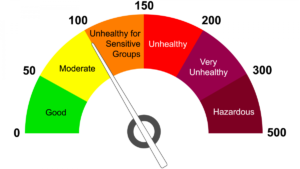
The Air Quality Index (AQI) is a system used to communicate how clean or polluted the outdoor air is and what associated health effects may be a concern. The U.S. AQI ranges from 0 to 500, with higher values indicating greater levels of air pollution and health concern. An AQI of 0–50 is considered “Good,” while values above 100 can become unhealthy, particularly for sensitive groups.
You can check current condition and learn more about AQI categories through AirNow, the U.S. government’s official air quality resource.
How Does Poor Air Quality Affect Running?
During running, your breathing rate and the amount of air you inhale increase. When air pollution is elevated, this can increase your exposure to pollutants. Poor air quality may contribute to symptoms such as coughing, throat irritation, chest discomfort, or shortness of breath and may also affect exercise performance.
Should You Keep Running in Poor Air Quality?
Being adaptable can help you train consistently without forcing a workout in poor conditions. When AQI is elevated, consider modifying your workout by moving indoors, shortening your time outside, or reducing the intensity. The appropriate adjustment depends on the AQI level, your health, and how your body responds to the conditions.
Why Should Runners Check AQI Before a Run?
Make checking the AQI part of your normal pre-run routine, especially during wildfire season or other periods of poor air quality. Air quality can change throughout the day, so check conditions shortly before your workout. If poor air quality is expected to continue, consider moving your workout indoors or rescheduling it for better conditions.
Listen to Your Body
Poor air quality doesn’t always mean you have to stop training, but it may require you to adjust your workout. If you experience unusual coughing, difficulty breathing, chest discomfort, dizziness, or other concerning symptoms while exercising, stop your workout and move to cleaner air. Prioritizing your health over a single workout can help you maintain consistency over the long term.
Weather can create other training challenges throughout the year. Check out our summer running tips for Minnesota runners for more advice on adjusting your training to changing conditions.
Need Help From a Coach?
From 5k to 100 mile ultramarathon, PRG’s coaching team has nationally certified coaches with experience to help you reach your trail running, road running, and cross country running goals. Book a free Run Coaching Consultation online at www.performancerungym.com/run-coaching


Recent Comments